
James Surowiecki [1. source: newyorker.com/talk/financial/2008/05/12/080512ta_talk_surowiecki?printable=true] wrote in the New Yorker a piece about

Don’t Forget: Unhappy Employees Unhappy Customers
Unhappy Employees Unhappy Customers - it's a simply profound statement. Simple, but profound. Of the two major pillars in Lean Thinking, one is
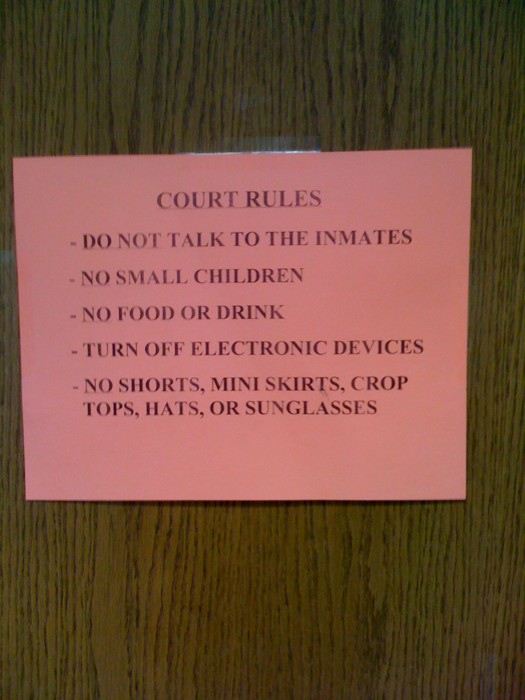
Genchi Genbutsu: Don’t Talk to the Inmates
I write that title with tongue-in-cheek. But, in some cases, corporate leaders act as if employees are inmates and being seen with and talking with

Genchi Genbutsu: Leaders Develop Other Leaders
It's often said that Toyota builds people, then it builds cars. To this end, it's important to consider how Genchi Genbutsu as a principle helps us to

Qwest Customer Service NPS Loyalty Program: Irony of the Detractor
The Irony of the Qwest Customer Service NPS Loyalty Program. I'm considered "Mass Market". Let me explain. I received an email recently from
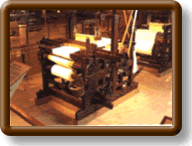
Shoulders of Giants: Toyoda Automatic Loom
We stand on the shoulders of giants. In other words, what we enjoy today - by and large - come from those that came before us. So, today I'm starting
Visual Management: Lawn Mower Maintenance Chart
While shopping at Lowe's, I saw this nice visual management with the aim of answering two questions about lawn mower maintenance: What should I
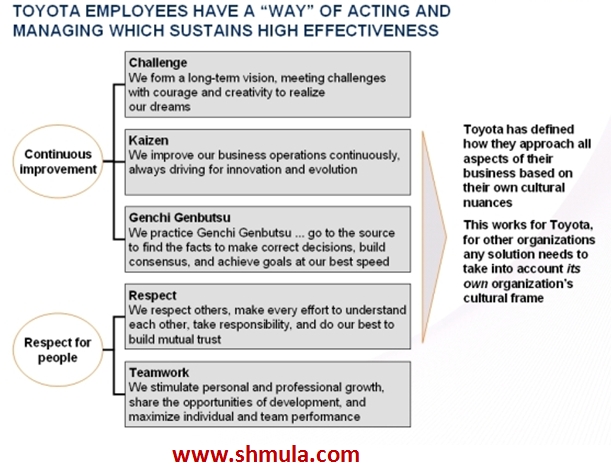
Lean Culture is about “How”
The Lean subculture talks about the tools of lean, often ignoring principle behind the tool, method, or practice. Another item that is often ignored

The Seven Wastes of Human Resources [video]
Pete's Note: I'm pleased to have Jim Baran provide a guest post for us today on the Seven Wastes of Lean Human Resources - in other words, within the